Trending

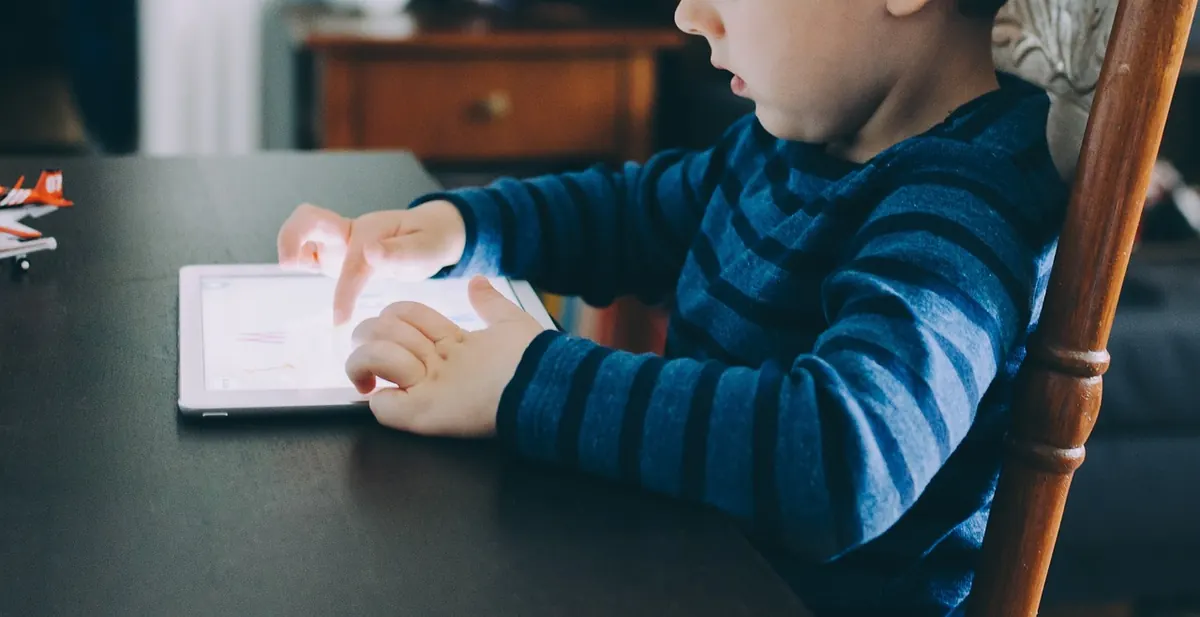
Most parents do not need another lecture about screens. They need something workable for a Tuesday evening when dinner is late, homework is unfinished, and a seven-year-old is asking for "just one more video." Age matters here, but so does context: what the screen is replacing, who is watching with the child, and what happens when the device goes off. What follows is a practical framework by age, plus routines that hold up on ordinary days.
Before counting minutes, ask three things about any screen session.
Those questions give you a defensible answer when the strict number on a chart does not fit your day. They also shift the conversation from "screens are bad" to "what is this screen doing right now."
Very young babies learn best from people, not pixels. For this age, aim for screen-free time except for video calls with familiar faces. A baby watching a parent on a phone screen is participating in a relationship; a baby parked in front of a colourful video is not.
If you need a screen to get through a nappy change or a flight, use it without guilt, then return to the default. The habit that matters at this stage is your baby's daily dose of eye contact, talking, songs, and floor time.
From about 18 months to age five, a small amount of high-quality content works for most families, ideally watched together. Think slow-paced shows, real animals, songs your child can copy, or a cooking clip you then try in the kitchen.
Keep a predictable routine around the screen: same time of day, one episode, then a clear next activity. "One episode, then we feed the dog" works far better than "five more minutes," which a four-year-old cannot judge. If your child melts down at every transition, shorten the session rather than lengthening the negotiation.
Once children are in school, the total minutes matter less than the two hours immediately around sleep and the time set aside for homework and play. A useful default is entertainment screens after responsibilities, with a hard stop 30 to 60 minutes before bed. Devices charge outside the bedroom overnight.
This is also the age when children start asking for games with chat features, YouTube accounts, and messaging apps. You do not need to say yes to all of it at once. Introduce one new thing, watch how your child handles it, and add the next when they show they can.
Keep the rules small enough to enforce. Two or three clear family rules that you actually apply beat a long list that collapses by Thursday.
Teenagers need autonomy, and they also need help building habits they will carry into adulthood. Shifting from control to agreement keeps your influence intact. Sit down and build a plan together covering sleep, driving, meals, and how phones are handled at night.
Talk plainly about what they see: edited photos, ads disguised as advice, and strangers who seem friendly. Ask what they would do if a group chat turned cruel, and let them tell you without you taking over. If you notice big changes in mood, sleep, or schoolwork that worry you, speak with your family doctor or school counsellor rather than trying to diagnose it at the kitchen table.
Structure does more work than willpower. Put the console controller in a drawer on school nights. Turn off notifications on the family tablet. Keep a basket of cards, puzzles, and books near the sofa so the easy option is not always a screen. Model the behaviour you are asking for, which is the hardest part and the most convincing one.
Expect backsliding during holidays, illness, and stressful weeks. When things drift, do not relaunch the whole system. Pick one rule, restart it, and give it a week. Children follow what is consistent far more than what is strict, and a household that can adjust without drama is one where limits last.
If screen use is tangled up with anxiety, sleep problems, or behaviour you cannot shift on your own, a paediatrician or family doctor is a sensible next stop. Good rules help, and sometimes families need more support than rules alone.
Photo: StockSnap / Pixabay